Recommend insoles from the retailer's own range, matched to each shopper's foot measurements. Off the shelf or custom.
Retailers use Volumental scanning to lift insole attach rates on the shop floor, and high-margin insole sales can help carry the cost of the scanner.
Book a DemoWhat is a foot scanner for insoles?
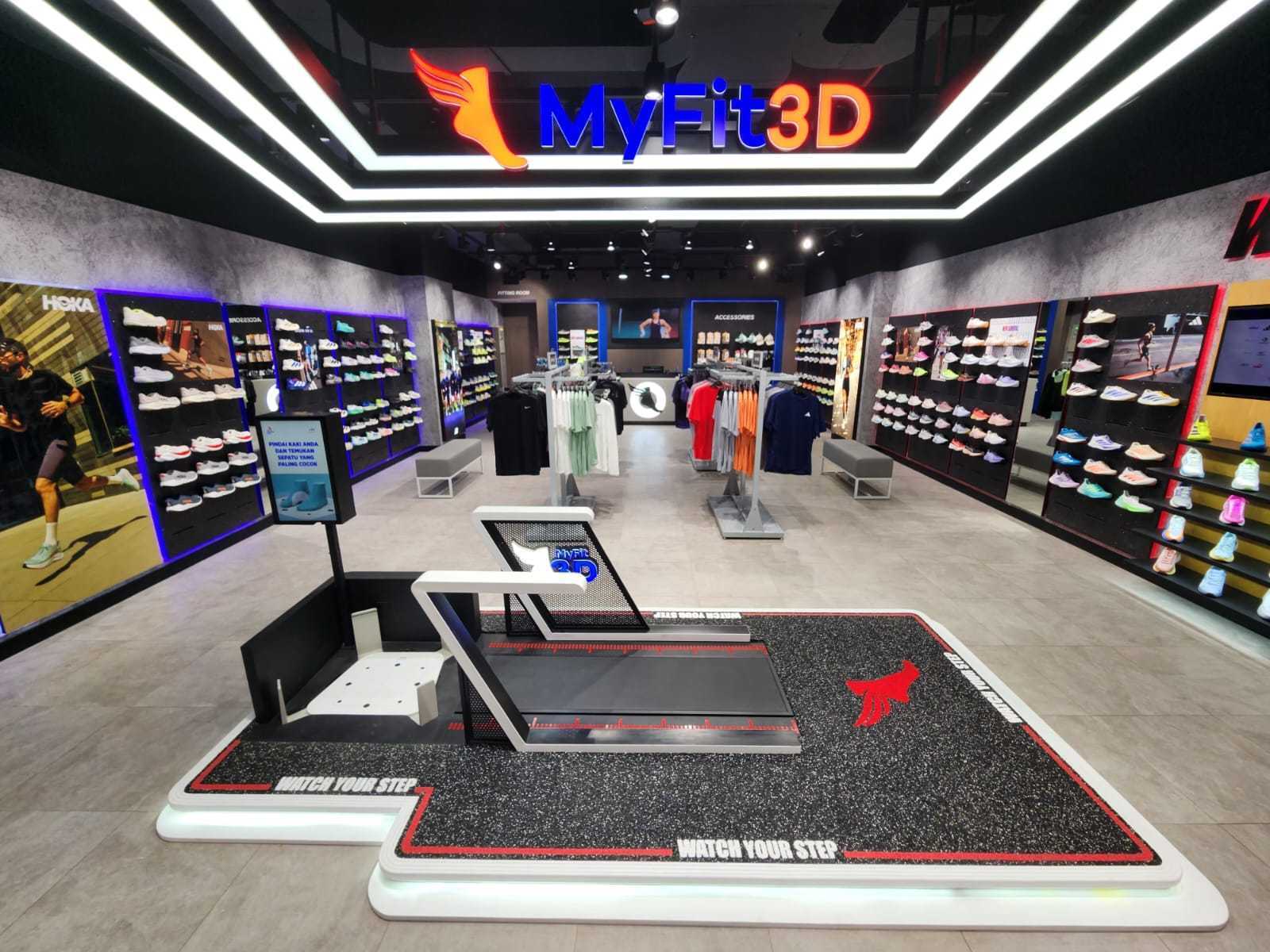
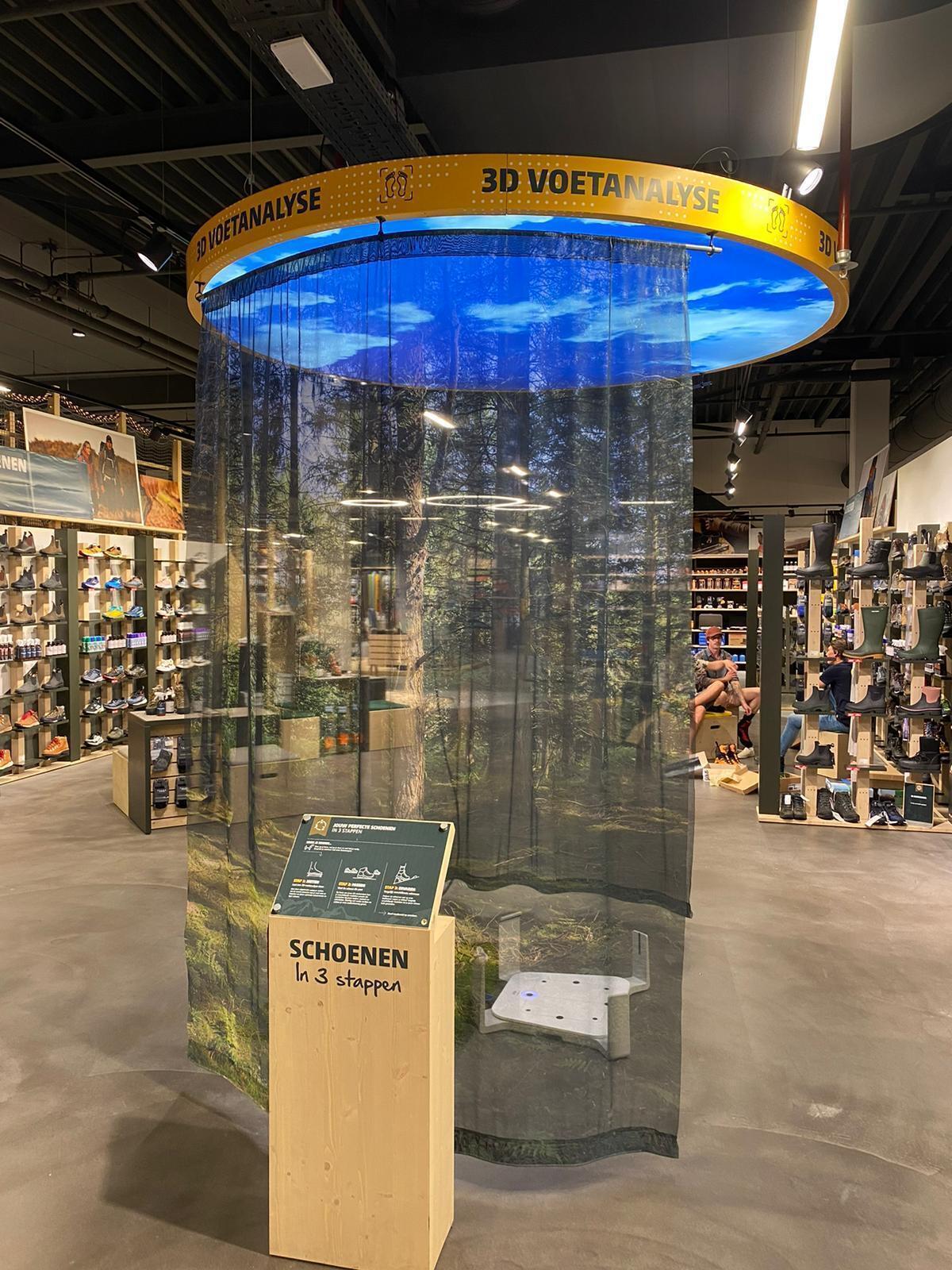
A foot scanner for insoles is an in-store device that measures a shopper's feet in 3D, including length, width, arch height, and instep height, and uses those measurements to recommend insoles from the retailer's own range. It works for off-the-shelf insoles and as the starting point for custom ones. Volumental scanners capture both feet in about five seconds.
Where can you scan your feet for insoles?
You can scan your feet in any store that runs a Volumental 3D scanner. More than 3,000 stores in over 60 countries offer it today, from running specialty and outdoor retailers to workwear and ski shops. The scan is free, takes seconds, and staff use it to fit both shoes and insoles. See our customers for retailers who offer it.
How does insole fitting with a 3D foot scan work?
What does a foot scan measure for insole fitting?
A foot scan for insole fitting captures the shape of each foot separately, not just its size. The measurements below are what separate a measurement-backed insole recommendation from asking a shopper their shoe size: two people with the same foot length routinely need different insoles because their arches, insteps, and widths differ.
- Foot length, left and right: sets the insole size, and each foot gets its own reading rather than one number for both.
- Foot width: decides whether a standard insole will sit flat in the shoe or buckle against the sidewalls.
- Arch height: the primary input for choosing between low, medium, and high-profile support models.
- Instep height: determines how much volume the insole can take up before the shoe feels tight across the top.
- Heel width: affects how the heel cup holds, which is where poorly matched insoles are felt first.
- Left/right asymmetry: most people's feet differ, and the scan makes the difference visible instead of averaging it away.
How accurate are foot scans for insoles?
Independent research from Texas A&M University-San Antonio found that Volumental 3D foot scans deliver highly consistent measurements, with reliability coefficients above 0.90 for every foot dimension tested. In practice that means two scans of the same foot agree, so the insole recommendation is built on stable numbers rather than a one-off estimate. Read the independent study.
Can a foot scan be used for custom insoles?
Yes. The same 3D scan that matches shoppers to off-the-shelf insoles can also feed custom insole manufacturing. Superfeet's ME3D custom insoles are built from Volumental scans taken in store, with no pressure plate required, and custom-insole brands like FitMyFoot build their product directly from Volumental scan data.
Off-the-shelf and custom are two ends of the same story. Most shoppers walk out with a stock insole matched to their measurements, and the same scan is the entry point when a store offers a custom program on top. Some insole brands go further and run entire scan experiences on Volumental, where the whole flow is about finding the right insole rather than a shoe.
Why retailers add insole fitting to foot scanning
A shoe fitting is the one moment a shopper is already thinking about comfort. Scanning turns that moment into an insole conversation grounded in the shopper's own measurements.
A measurement-backed insole recommendation with every scan
Every scan produces insole recommendations from the store's own range, shown to staff and shopper in the results while the shopper is still on the floor. That built-in moment is what turns shoe fittings into insole sales.
Insole margin can carry the scanner cost
Insoles are among the highest-margin products in footwear retail, and many retailers weigh added insole sales against the scanner subscription when they build the business case. We work with leading insole brands, including Superfeet, Currex by Foundation Wellness, Powerstep, and BootDoc; talk to us about what's possible for your assortment.
Every associate fits like your best associate
Recommendations come from measurements, so a new hire and a 10-year veteran put the same shopper in the same insole.




Fleet Feet, the largest running specialty retailer in the US, has scanned more than five million shoppers with Volumental and uses that scan data to drive personalized insole sales in every store. Custom-insole brand FitMyFoot builds its product directly from Volumental scans, and companies like FLO and Frido pair scanning with their own insole lines.
Foot scanning vs. foam boxes and casting
Retailers fitting insoles today typically choose between three capture methods. They answer different questions, and only one of them was designed for a shop floor.
Foam impression boxes
A static imprint of the foot's underside. Simple and cheap, but it captures one moment under one load, produces no digital record, and the box is single-use. Nothing carries over to the next visit, and nothing can be compared between the two feet.
Plaster casting
The traditional method for fully custom orthotics in clinical settings. Detailed, but slow, messy, and built for a lab workflow with a practitioner on hand rather than a retail floor with a queue.
3D foot scanning
Digital measurements of both feet in seconds, stored as a fit profile the shopper keeps. Built for retail: no consumables, no cleanup, staff need minutes of training, and every scan improves the data behind the next recommendation.
Frequently asked questions
What's the value of a 3D foot scanner for insole sales?
For retailers, yes: every scan produces a measurement-backed insole recommendation from the store's own range, so the highest-margin product in the store gets proposed at the moment the shopper is already thinking about comfort. The scan itself takes seconds and adds no work for staff.
Can insoles be recommended without a pressure plate?
Yes. Volumental recommends insoles from the foot's 3D shape: arch height, width, and instep. Some stores pair the scanner with a pressure plate or gait analysis for additional inputs, and Superfeet ME3D custom insoles run on the scan alone.
Do foot scanners work for ski boot insoles?
Yes. Ski and boot fitting is one of the strongest use cases: a precise 3D read of arch height, instep, and width matters even more inside a rigid boot than in a running shoe. Ski retailers and rental operations across Europe run Volumental scanning as part of their ski boot fitting process.
We'll show you the scanner, the insole recommendation flow, and what it could look like for your stores.
Book a Demo