Every running shoe fits differently. We measure which one fits your customer.
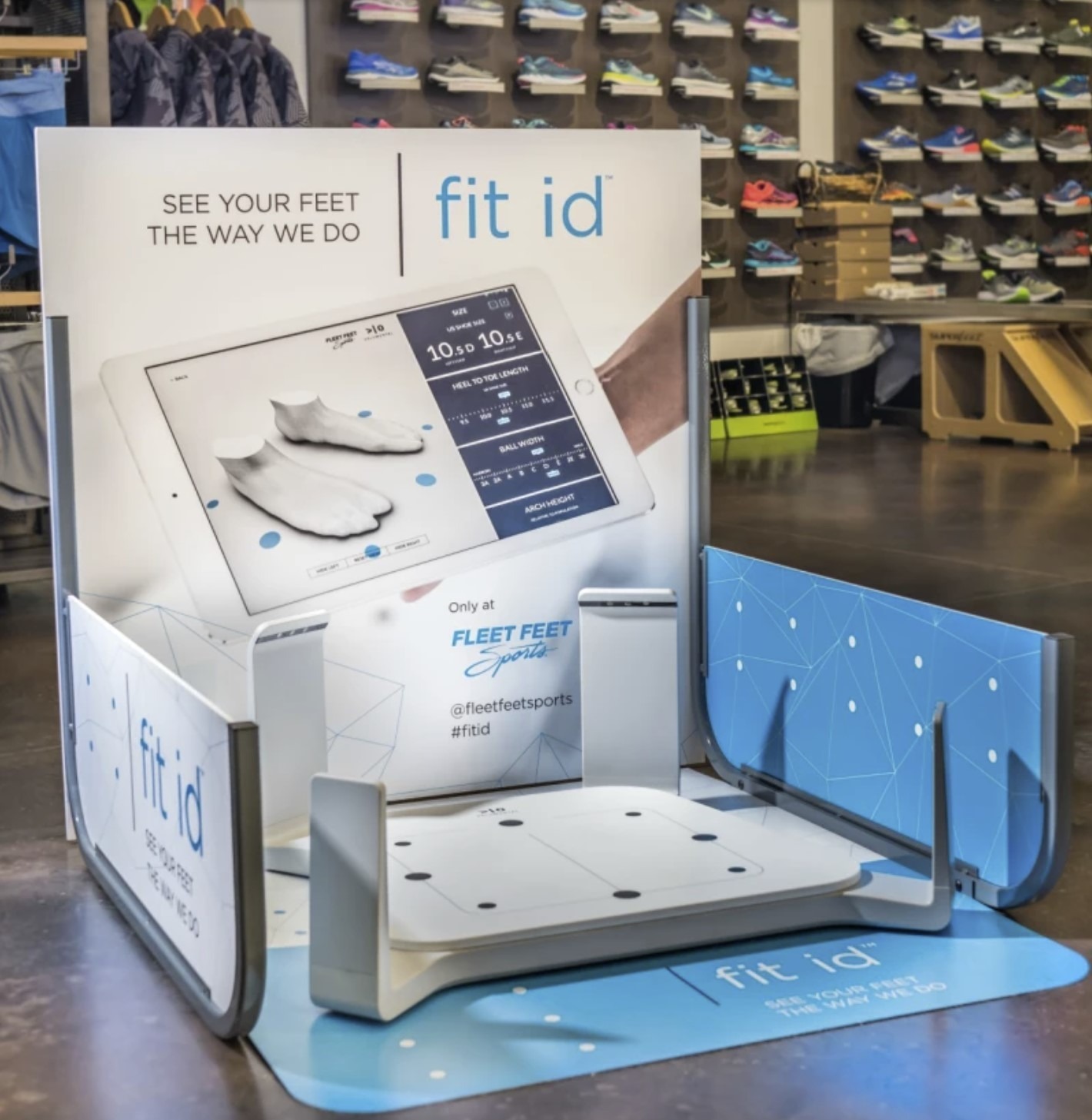
Run specialty stores live on fit expertise. The Volumental scanner captures a 3D scan of both feet in about 5 seconds: length, width, arch height, instep and total volume. It matches your running shoe catalog to the shopper's actual foot shape, not just their length.
Book a DemoWhy length alone fails runners
Two runners with the same foot length can need different widths, different heel fits and different volumes. Length-only sizing sends one of them home in a shoe that works and the other home with blisters, black toenails or a shoe that returns to your shelf. Running footwear spans more widths and heel shapes than almost any category, and returns follow: industry analyses consistently put running among the categories with the highest fit-related return rates.
How should running shoes fit?
A running shoe should lock the heel, hold the midfoot without pressure, and leave a thumb's width of toe room. Width should match the forefoot, not just length, and the arch and instep should sit level with the foot's own shape. Two runners with identical foot length can need different answers on every one of those dimensions.
That is why a measured fit beats a size label. A 3D scan captures length, width, arch height, instep and total volume for both feet in about 5 seconds, and the recommendation starts from those measurements instead of the shopper's usual size.
Why do runners return running shoes?
Fit is the leading reason. A shoe that is the right length can still be wrong in width, arch height or instep volume. Measured shape catches what length-only sizing misses: wide forefeet in standard-width shoes, narrow heels in wide sizes, high insteps under low-cut uppers. Stores that fit from measured shape instead of guessed size see fewer of those returns.
What is the difference between a 3D foot scan and gait analysis?
Gait analysis observes how a runner moves; a 3D scan measures what the foot is. Gait speaks to motion and style, the scan to size and shape. Stores that run gait assessments use the scan to ground the size decision, and it takes seconds, so it fits the daily floor routine.
What value does foot scanning bring to running retail?
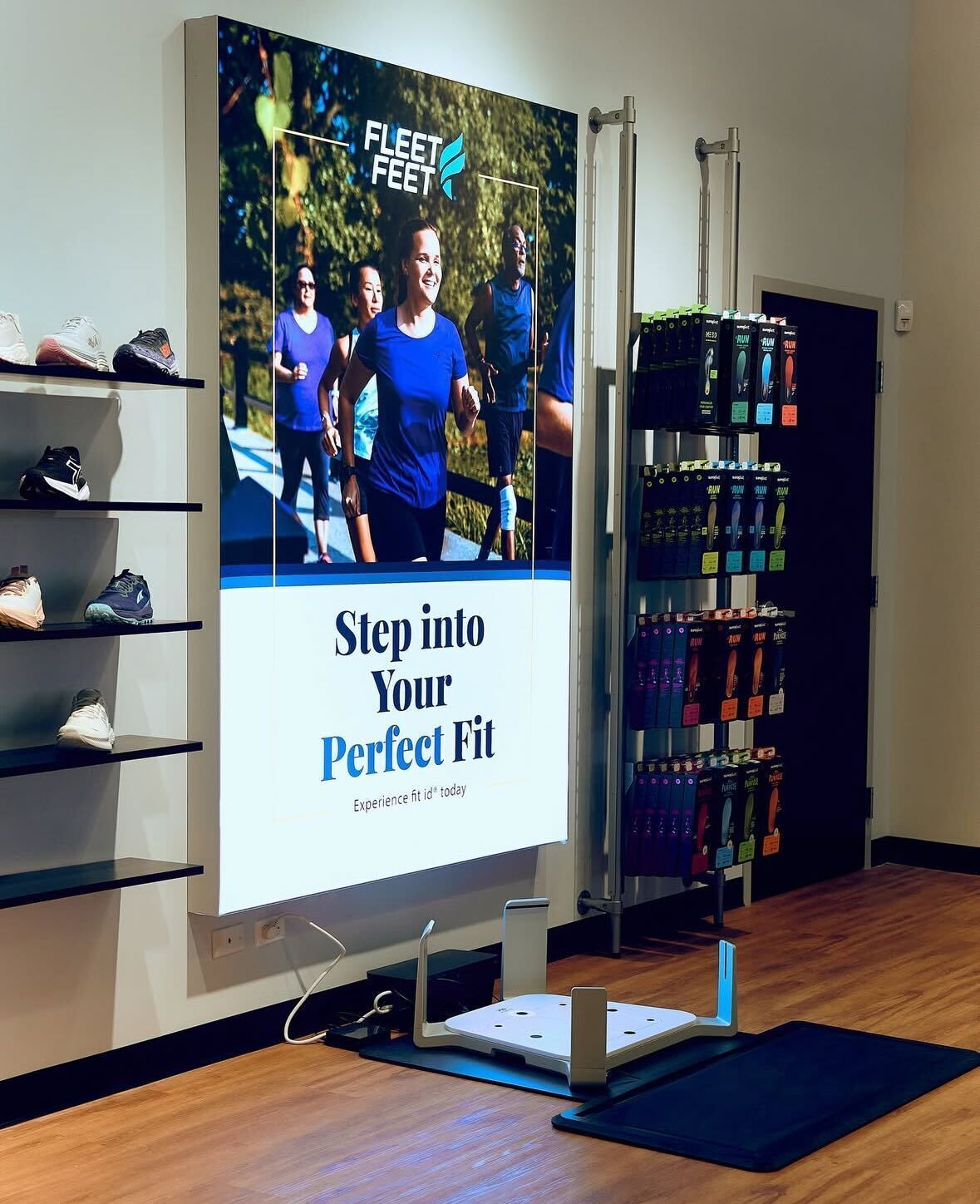
The value shows up in the day-to-day of the store: staff fit from measurements instead of guesses, every associate recommends from the same data, and fit-driven returns drop because the size decision is grounded before the box leaves the shelf. Fleet Feet, the largest running specialty retailer in the US, uses Volumental scanning across its store network to match runners to widths and models, and cites reduced fit-related returns from scanning.
New staff onboard faster when the fit logic is built into the tool: a first-week associate can run a measured fitting with the same confidence as a veteran. The insole conversation is built in as well: how foot scanning powers insole sales.
Common questions about foot scanning for running stores
How long does a 3D foot scan take?
About 5 seconds, both feet, standing naturally.
Does it work for wide or narrow feet?
Width is exactly what it measures; wide and narrow recommendations come from the store's own catalog.
Do runners need to remove shoes and socks?
Shoes and socks off, feet on the platform; no walking required.
What data does the store get?
Each scan becomes a fit profile with length, width, arch and volume measurements, available to staff at the moment of fitting and to the shopper for repeat purchases.